

Your employees spend one-third of their lives at work. Their workplace environment directly impacts many aspects of their wellbeing: their productivity, mood, and quality of life. Many leaders are aware of environmental health risks related to ergonomics, but one area that is often overlooked is eye health. The Environmental Health Crisis You’re Likely Missing Here’s some data you might want to take in: 72% of employees report struggling with environmental eye issues that reduce focus and productivity. But HR leaders estimate that less than half their employees are affected. This gap between perception and reality is costing companies like yours. Employees with unmanaged eye strain are less productive, more likely to take time off, and more likely to leave for employers who demonstrate greater care about their wellbeing. That’s a significant opportunity to improve culture and retention. Three Environmental Threats to Your Employees’ Vision 1. Seasonal Eye Discomfort Pollen, allergens, and seasonal environmental changes trigger itchy, red, burning, watery eyes and blurred vision for roughly 7 out of 10 workers. These symptoms aren’t necessarily minor—they can reduce focus, increase errors, and lead to personal time off. The problem worsens in both spring and fall when allergens are high. But employees can experience seasonal eye discomfort year-round due to changes in climate and weather patterns, humidity shifts, and indoor environmental factors. What you can do: • Educate employees about causes, symptoms, and treatments • Provide resources from reputable sources like the American Optometric Association • Install HEPA air filters in your workplace • Post reminders about washing hands and avoiding eye rubbing • Share information about OTC treatments and when to see an eye doctor 2. Workplace Climate, Air Quality, and Lighting Your workplace environment directly affects your employees’ eyes. Hot summer air combined with aggressive air conditioning creates dryness and irritation. Cold winter heating has the same effect. In more severe cases, poor indoor air quality from cooking oils, pesticides, and volatile organic compounds (VOCs) can contribute to ocular surface disease, glaucoma, and conjunctivitis. Lighting matters enormously. Dim conditions cause 45% of employees to report eye strain, stress, and anxiety. On the other hand, overly bright settings could also trigger strain and plus headaches. Screens compound the problem, with two-thirds of employees reporting screen-related eye issues. What you can do: • Install humidifiers to maintain balanced indoor humidity • Evaluate workplace lighting: ensure it’s adequate without being excessive • Advise employees to follow the 20-20-20 rule: every 20 minutes, look at something 20 feet away for 20 seconds • Recommend screen filters and blue light settings on devices • Address poor air quality by using low-odor cleaning products and understanding building material VOCs 3. Workplace Eye Safety Nearly 25,000 workplace eye injuries occur annually in the U.S., resulting in lost productivity, high medical costs, vision impairment, and mental health issues. But here’s what’s alarming: the fastest-growing number of eye injuries now occur at home—the new workplace for many employees. Common workplace eye hazards include blunt force trauma, flying debris, chemical splashes, radiation, and dust. Yet only 56% of employees feel their workplace is eye-friendly. While 81% of HR leaders say their company promotes protective eyewear, only 45% of employees agree. What you can do: • Regularly inspect work areas and equipment for eye hazards • Remove or reduce hazards where possible; clearly mark those that can’t be removed • Enforce the use of OSHA-approved safety glasses or face shields • Educate employees with literature, signage, videos, and presentations • Provide guidance for remote workers on home office eye safety Vision Insurance: A Benefits Strategy That Supports Culture and Retention Vision insurance covers regular eye exams, which catch vision problems and eye health issues before they become serious or affect work performance. Employees with access to vision care get prescription glasses, contact lenses, and lens treatments that reduce eye strain and improve productivity. They’re more likely to seek preventive care rather than waiting until problems impact their work. More importantly, employees who have vision benefits feel valued. They’re more likely to stay with your company, more engaged in their work, and more satisfied overall. In a competitive labor market, comprehensive benefits—including vision—matter to recruitment and retention. What to Watch Out For Employee education gaps: Many employees don’t know what treatments are available for eye issues. They don’t understand the connection between their environment and their eye health. Make sure your benefits communication includes eye health education, not just enrollment information. Perception vs. reality: Don’t assume your HR team knows how employees are really experiencing the workplace. Conduct surveys or focus groups specifically about eye health and environmental comfort. The disconnect between what leadership thinks and what employees experience is real. Remote and hybrid workforce challenges: Eye safety doesn’t end when employees leave the office. Many work from home or switch between locations. Provide guidance on home office setup, lighting, screen positioning, and break strategies. Preventive care adoption: Not all employees will use their vision benefits. Promote regular eye exams as preventive care, not just for getting glasses. Highlight the benefits of early detection and the connection between eye health and overall wellbeing. Foster a Culture That Cares Make sure your benefits package includes vision insurance that supports preventive eye care. The payoff is measurable: improved productivity, higher engagement, better retention, and a workplace culture where employees know their employer values their wellbeing. When you invest in protecting their vision, you’re investing in your organization’s vision as well.

A Plain-English Guide to the New $50 Copay Program and How to Get Started For years, Medicare generally has not covered medications when they are prescribed solely for weight loss. Federal law currently excludes drugs used for weight loss from the standard Part D benefit. However, a new, limited exception to the rule became available on July 1, 2026. Through a temporary program called the Medicare GLP-1 Bridge program, certain people with Medicare drug coverage may now be able to get select GLP-1 medications intended for weight management for a $50 copay per one-month supply. The Bridge program does not eliminate the underlying Part D exclusion for weight-loss drugs. Instead, it provides a separate, temporary pathway for eligible Medicare beneficiaries. Read on to learn what the program covers, who could qualify, and how the process works. Medicare Part D’s Existing GLP-1 Coverage Before looking at the new Bridge program, it helps to understand GLP-1 coverage up to this point. Medicare Part D can cover certain GLP-1 medications when they are prescribed for a medically accepted condition other than weight loss. Depending on the particular drug, those conditions may include: • Type 2 diabetes • Certain cardiovascular risks • Moderate-to-severe obstructive sleep apnea • Certain cases of metabolic dysfunction-associated steatohepatitis (MASH), a serious form of fatty liver disease If your doctor prescribes a GLP-1 for one of these approved conditions, or something other than weight loss, your Medicare Part D plan may cover it. Which specific drugs are covered and what requirements apply depend on your particular plan. The New Medicare GLP-1 Bridge Program The Medicare GLP-1 Bridge program is a temporary program scheduled to run from July 1, 2026, through December 31, 2027. It gives eligible people with Medicare drug coverage access to certain GLP-1 medications for the purpose of weight management for a flat $50 copay per one-month supply. The program is available nationwide, including in U.S. territories. One important note is that the Bridge program operates outside the regular Part D benefit. Medicare pays participating pharmacies through a central processor rather than having your Part D plan pay for the medication. This means your Part D plan does not have to opt into the Bridge program for you to participate. Which Drugs Are Covered as of August 2026? As of August 2026, the Medicare GLP-1 Bridge includes these medications when prescribed to reduce excess body weight and maintain weight reduction: • Foundayo — tablet • Wegovy — injection or tablet • Zepbound — KwikPen only (not single-dose vials or pens) Because the Bridge program is evolving, Medicare may update covered products over the duration of the program. What About Ozempic and Mounjaro? The names of these medications are familiar to many people, so you may wonder if they're covered. The answer is no: Ozempic and Mounjaro are not covered through the Medicare GLP-1 Bridge program. Instead, they remain subject to regular Medicare Part D coverage rules and are most often prescribed to treat type 2 diabetes. Wegovy and Zepbound, on the other hand, are versions approved specifically for chronic weight management. So, if you take a GLP-1 medication for a condition that can be covered under Part D, continue working with your health care provider and Medicare drug plan or Medicare Advantage plan regarding coverage. If, however, you are seeking a pathway to weight management, then the Bridge program may be worth pursuing. The first step is to find out if you're eligible. Who Qualifies for the GLP-1 Bridge? To participate, you must be 18 or older, have Medicare drug coverage, and meet one of Medicare's clinical eligibility standards when starting treatment. You may qualify if you have: • A body mass index (BMI) of 35 or higher • A BMI of 30 or higher plus heart failure with preserved ejection fraction, uncontrolled high blood pressure, or chronic kidney disease at stage 3a or higher • A BMI of 27 or higher plus prediabetes, a previous heart attack or stroke, or symptomatic peripheral artery disease You may also qualify for coverage of a GLP-1 drug if you started taking a GLP-1 drug prior to the start of the Bridge program and you met the eligibility conditions when you started taking the drug, even though you may not qualify now. For example, if you started taking a GLP-1 drug in January 2025 and at that time your BMI was 35, you may qualify for the Bridge program even if your current BMI is 25. Medicare has additional clinical definitions and requirements for these conditions. Your health care provider will determine whether you meet the program's criteria. You generally aren't eligible for the Bridge program if you already get GLP-1 drugs through your Part D coverage or if you have certain conditions for which GLP-1 treatment may be covered through regular Part D rules, including: • Type 2 diabetes • Moderate-to-severe obstructive sleep apnea • Certain fatty liver disease Having one of these conditions may make you ineligible for the Bridge program even if your particular Medicare drug plan doesn't currently cover the medication. In that situation, regular Part D coverage and exception rules may apply. You must also have qualifying Medicare drug coverage. That can include: • A standalone Medicare Part D plan • A Medicare Advantage plan with drug coverage • A Special Needs Plan with drug coverage • Certain employer or union Medicare drug plans • The LI NET program How Do You Get Started? The process starts with your health care provider rather than your Medicare drug plan. • Talk with your health care provider. Ask whether one of the covered medications is medically appropriate for you and whether you meet Medicare's BMI and health-condition requirements. • If they agree, your provider will send a prescription to your pharmacy. The medication must be prescribed as part of a treatment plan that includes diet and physical activity. • The first fill may take extra time. The pharmacy's initial claim may trigger a prior-authorization request to your provider. Once the required prior authorization is submitted, CMS says an approval or denial will generally be communicated within 72 hours. • Watch for a letter from Medicare. If your prior authorization is approved, Medicare will send you a letter confirming coverage through the Bridge program. • Be prepared to provide your Medicare information at the pharmacy. Your pharmacy may need your Medicare Number or, in some circumstances, the last four digits of your Social Security Number to process the claim. Once approved, the prior authorization generally remains valid through December 31, 2027, including for refills and dose changes. A new authorization may be required if you change to a different GLP-1 medication covered by the Bridge. How Does the $50 Copay Work? The $50 copay works differently from what you normally pay for medications covered by your Part D plan because Bridge program medications are paid for outside your regular Part D benefit. For medications you receive through the Bridge program: • You pay a flat $50 copay for a one-month supply • The $50 does not count toward your Part D deductible or annual out-of-pocket limit • It will not appear on your Part D Explanation of Benefits or your Medicare Summary Notice • Extra Help does not reduce the $50 copay • The Medicare Prescription Payment Plan cannot be used to spread the $50 cost across monthly payments Those differences are especially important to understand if you receive Extra Help or are tracking your prescription drug spending toward your Part D out-of-pocket limit. Your Next Step If you think you might qualify for the Medicare GLP-1 Bridge, start by talking with your health care provider. Your provider can help determine whether one of the covered medications is appropriate for you and whether you meet Medicare's eligibility requirements. The GLP-1 Bridge is currently scheduled to end December 31, 2027, so it's also worth discussing how your treatment and coverage options could change after the program period ends. If you have questions about your current Medicare drug coverage, we're happy to help you understand how your plan works and where the GLP-1 Bridge program may fit in. This article is accurate as of August 2026. The GLP-1 Bridge program keeps evolving, so it is good to keep an eye out for ongoing updates.

Plan Ahead for the Best Results As we head into fall, it's time to think about an important Medicare milestone: the Annual Enrollment Period. If you're on Medicare, this is your chance to review your coverage and make changes if your needs have shifted, or if there will be changes to your current plan that you don’t like. Key Dates for Annual Enrollment in 2026 October 1, 2026: Plan details for 2027 go live. You can start comparing Medicare Advantage (Part C) and prescription drug (Part D) options in your area, though you can't make changes yet. October 15 – December 7, 2026: Enrollment is officially open. This is when you can: • Join a Medicare Advantage or Part D plan • Switch to a different plan • Drop coverage or switch back to Original Medicare January 1, 2027: Any changes you made take effect. Make sure you review your new plan documents so you understand your coverage and costs. What About Medigap? If you have a Medicare Supplement (Medigap) plan, it works differently. The rules for joining or switching a Medigap plan are more complicated than those for Medicare Advantage and Part D plans. Reach out to us to discuss your options. How to Get Ready Now Between now and October, set aside some time to prepare. • Gather recent medical bills and receipts • Make or update your complete list of current medications and doses • List the doctors and hospitals you have used most over the past year • Check your current plan's summary of coverage • Watch for your Annual Notice of Changes (ANOC) from your health insurance company (usually arrives in late September)—this tells you what's changing in your coverage, costs, provider and pharmacy network, and benefits for 2027 • Schedule a review session with our team starting October 1—slots fill up fast The more organized you are, the easier it will be to make confident choices. Let's Plan Ahead Whether you want to stick with what you have or explore new options, we can help you understand your current plan, see what else is available, and make sure your doctors and prescriptions and other benefits are covered. Schedule now to meet with us starting October 1st. If you have questions now about the process and what to expect, reach out anytime. We're here to help make the process as straightforward and successful as possible.
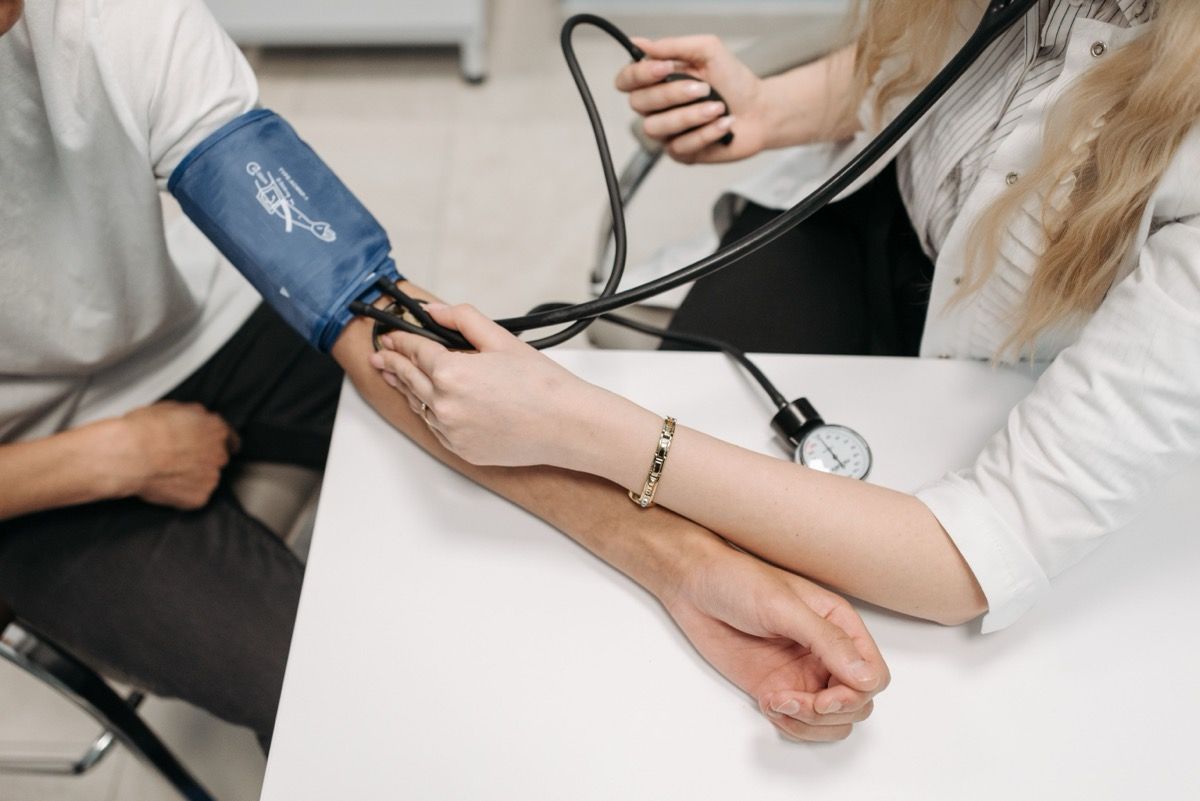
Most health plans cover checkups, screenings, vaccines, and more at no cost to you. Learn which preventive services are free and how to avoid surprise bills.

Learn the key differences between HSAs and FSAs, including eligibility, rollover rules, and tax benefits, so you can choose the right healthcare savings account.

GLP-1 medications help you eat less — but eating less can mean fewer nutrients. Here's what the latest research shows and how to eat well.

Help your employees choose the right health insurance plan. Learn the 6 most common open enrollment mistakes and how employers can help avoid them.

Learn how critical illness insurance can help cover everyday expenses after a serious diagnosis. Discover how it works, what it covers, and whether it fits your financial protection plan.

Discover how regular exercise can boost mood, reduce depression symptoms, and support mental health with simple, achievable daily movement.

Learn why updating your income and household info on an ACA plan helps you avoid tax surprises, stay eligible, and access the right savings.